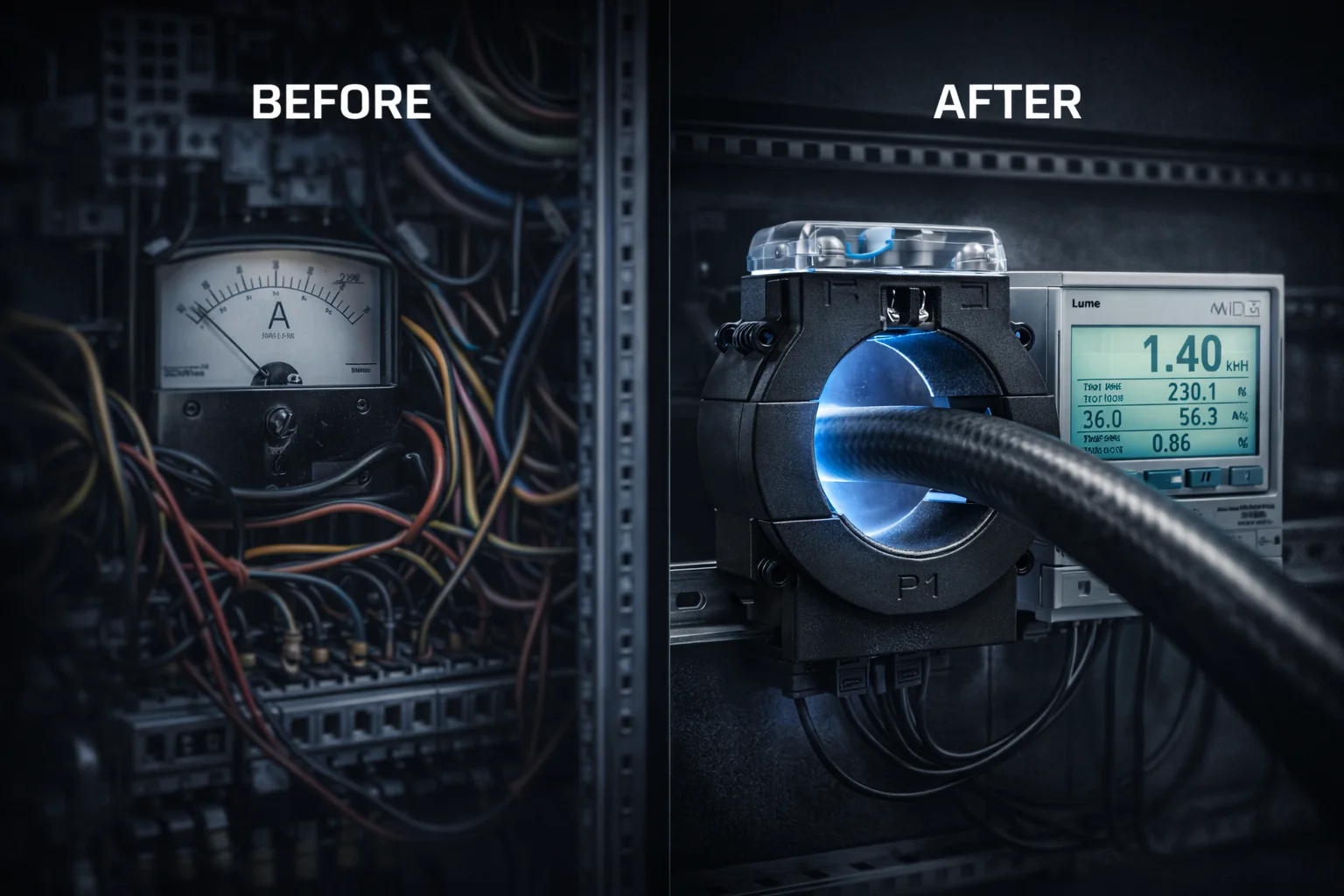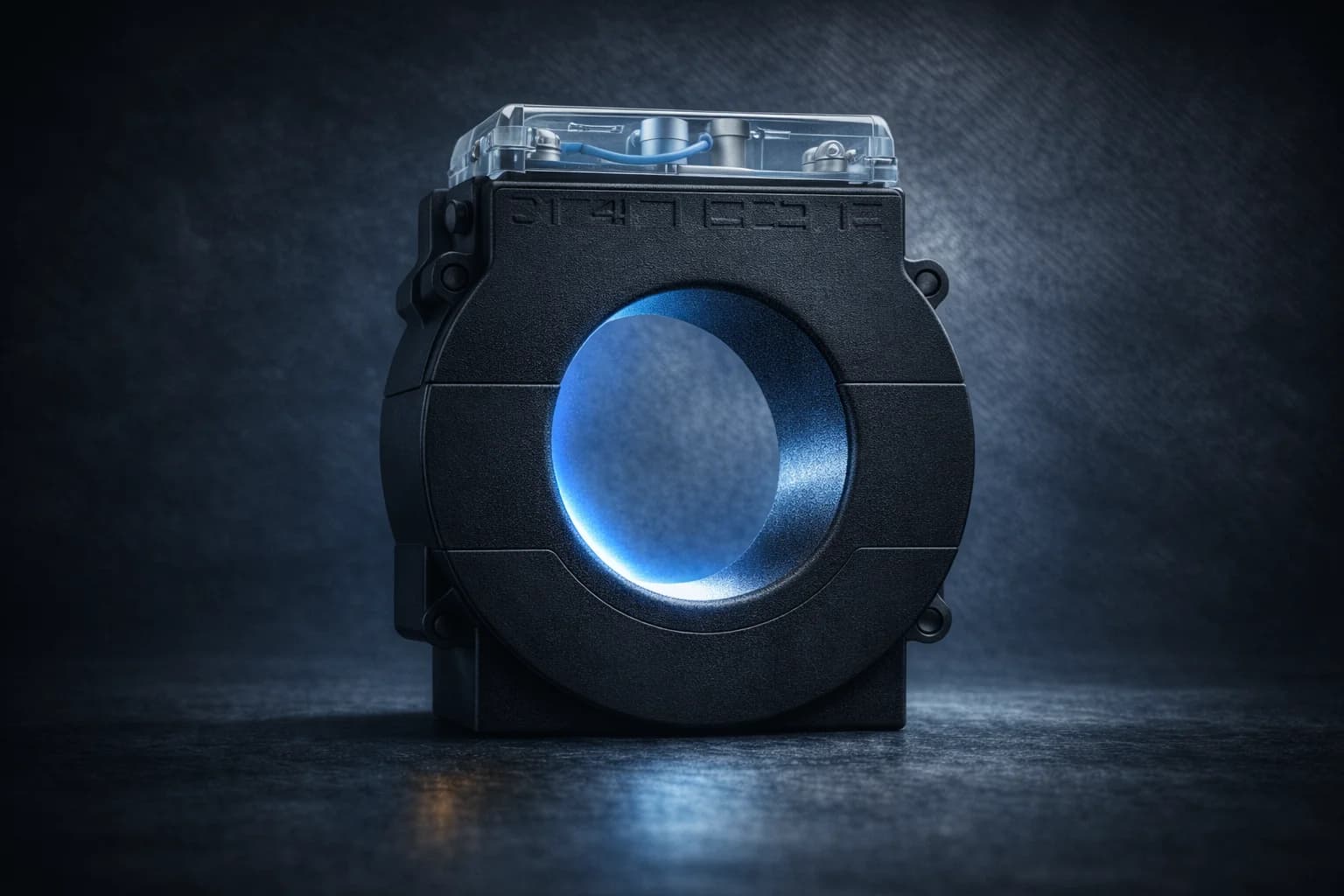

kWh Meter Installation for Cargo Pumping Systems on Ships
Cargo pump operations are among the highest energy-consuming processes on tanker vessels. This article explains why kWh meter installation for cargo pumping systems must be engineered rather than treated as a standard hardware task.
Cargo pump energy monitoring only becomes useful when the measurement logic reflects the real behavior of the cargo pumping system. For Framo and Marflex applications, correct engineering decisions around CT selection, installation point validation, and operational verification determine whether the system produces reliable data or misleading numbers.
Cargo Pump Energy Monitoring
Installing A Meter Is Simple. Delivering Reliable Data Is Not.
Cargo pumps are among the most energy-intensive systems on tanker vessels, yet many ships still rely on mixed or estimated consumption values when evaluating pump performance. That approach is acceptable for generic load visibility, but not for cargo pumping analysis.
Variable loads, long duty cycles, high starting currents, and multiple pumps operating in parallel make cargo pump monitoring a dedicated engineering problem rather than a standard metering job.
Why Generic Installations Fail In Cargo Pump Applications
A standard installation approach often ignores the dynamic behavior of the pumping system. Incorrect CT ratios, poor metering locations, and measurements taken from mixed-load points all reduce confidence in the final data set.
For a shipowner or technical manager, that means numbers may exist, but the numbers are not usable for performance evaluation, reporting, or energy discussion.
Operational Reality
Cargo pump energy data becomes meaningful only when it is separated from other loads, validated under real operating conditions, and presented in a form that technical teams can actually use.
Where Accurate Measurement Usually Starts
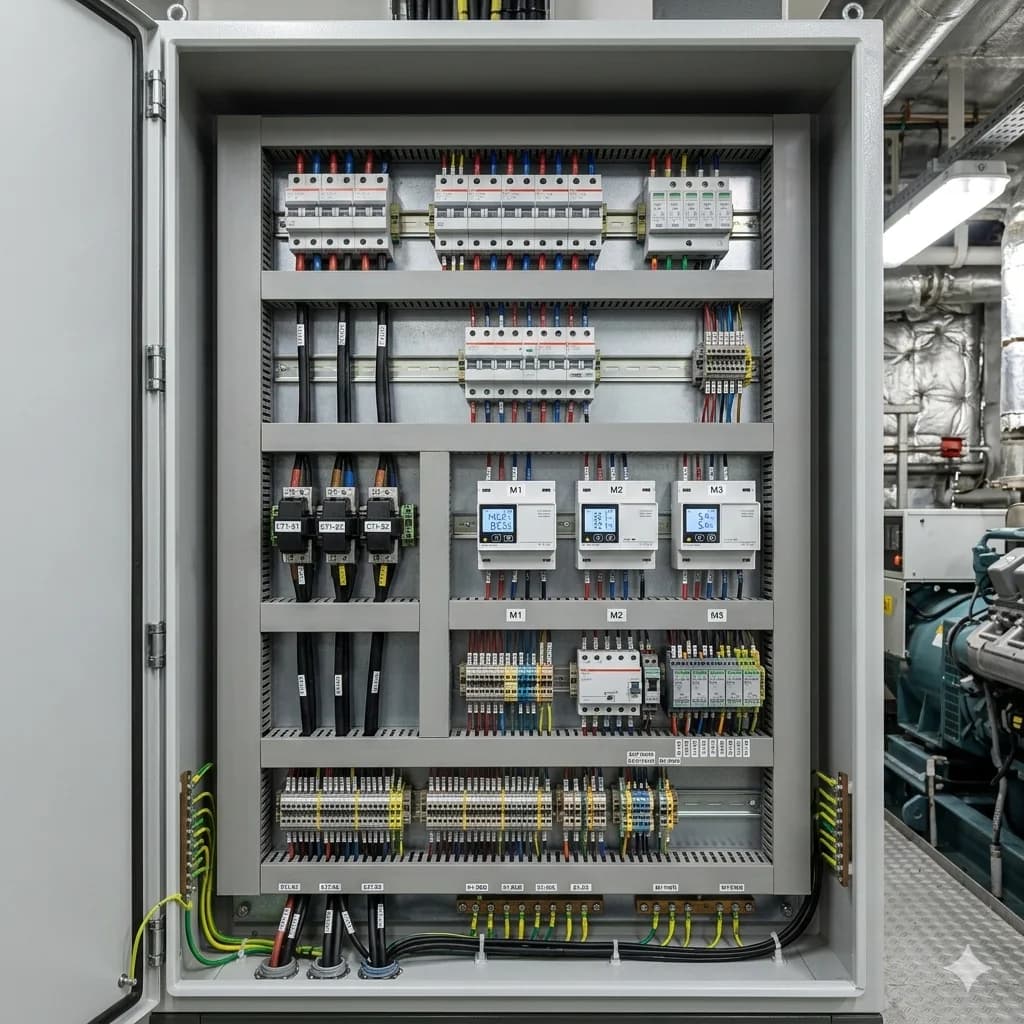
For dependable cargo pump monitoring, measurement is typically taken from cargo pump motor feeders, HPU supply circuits, dedicated cargo pump switchboards, and pump room electrical panels. The logic behind the selected point matters as much as the hardware itself.
Poor placement creates mixed data, and mixed data creates weak analysis. That is why installation location is never a neutral choice.
Preserving Original Systems Is Part Of Good Engineering
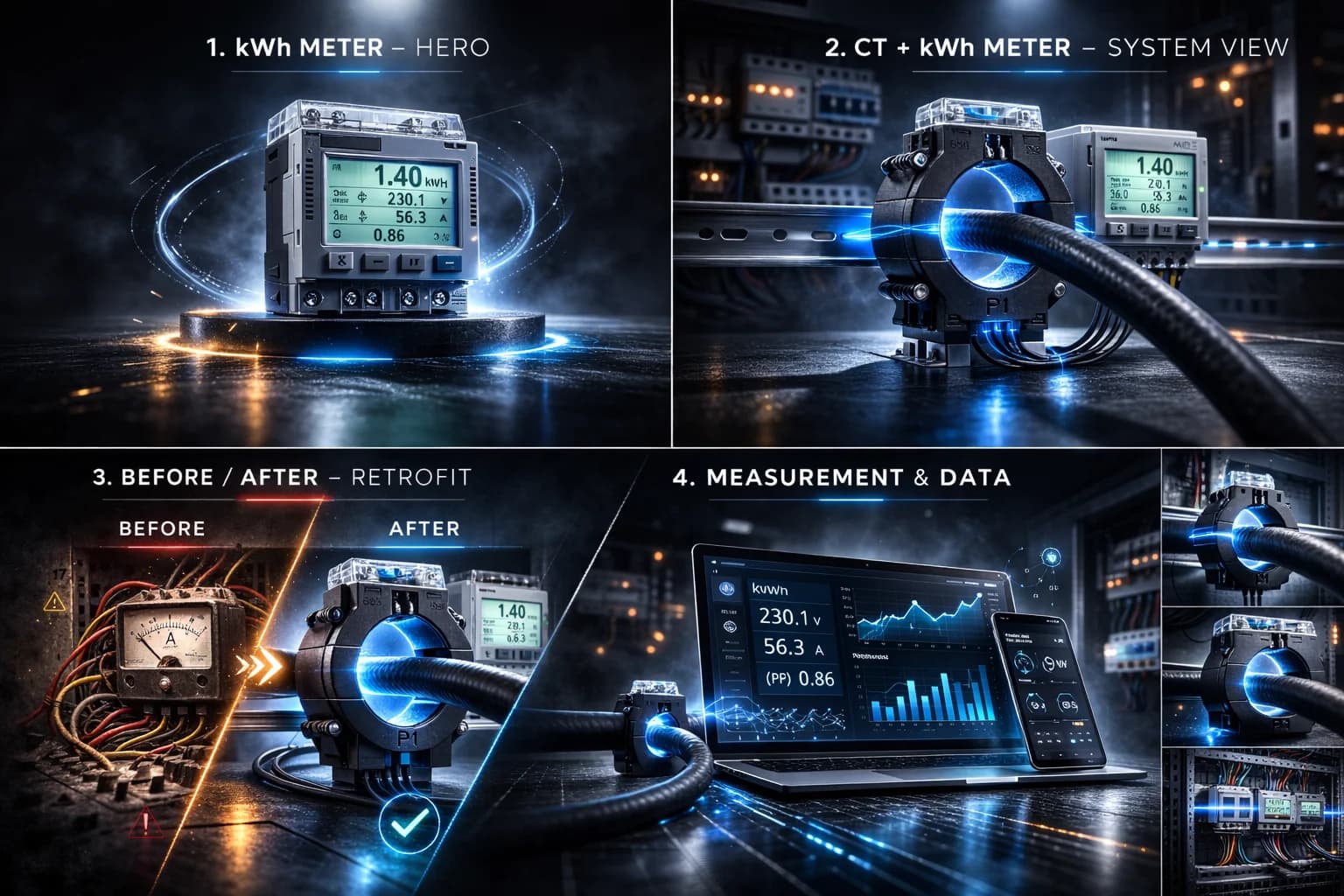
At VI MARINE, kWh meter systems can be installed as standalone cabinets or integrated into existing panels without altering original functionality or class-approved system logic. This is critical because energy monitoring should improve visibility without damaging the integrity of the original design.
That same engineering discipline continues after installation through verification during live cargo operations and ongoing technical support.