

Automation & Marine Electronics
Energy Monitoring for Cargo Pumps
Engineering-driven kWh meter and energy monitoring solutions specialized for Framo and Marflex cargo pump systems. We deliver EEXI/CII compliant, verified energy data through project-specific CT selection and installation point validation.
Overview
Cargo pumping operations are among the most energy-intensive processes on tanker vessels. Accurate measurement cannot be achieved through shared readings or generic metering logic. Dedicated, engineered monitoring is required for Framo and Marflex systems.
Why Cargo Pump Monitoring Is Different
Cargo pumps operate under variable loads, long duty cycles, high starting currents, and changing discharge conditions. Because of this dynamic behavior, standard auxiliary load monitoring methods do not produce reliable cargo pump data.
Separate measurement of cargo pump motor feeders and Hydraulic Power Unit (HPU) supply circuits is essential. Project-specific CT selection based on motor ratings, starting currents, and duty cycles must be performed. Installation points must be validated to avoid mixed-load measurement.
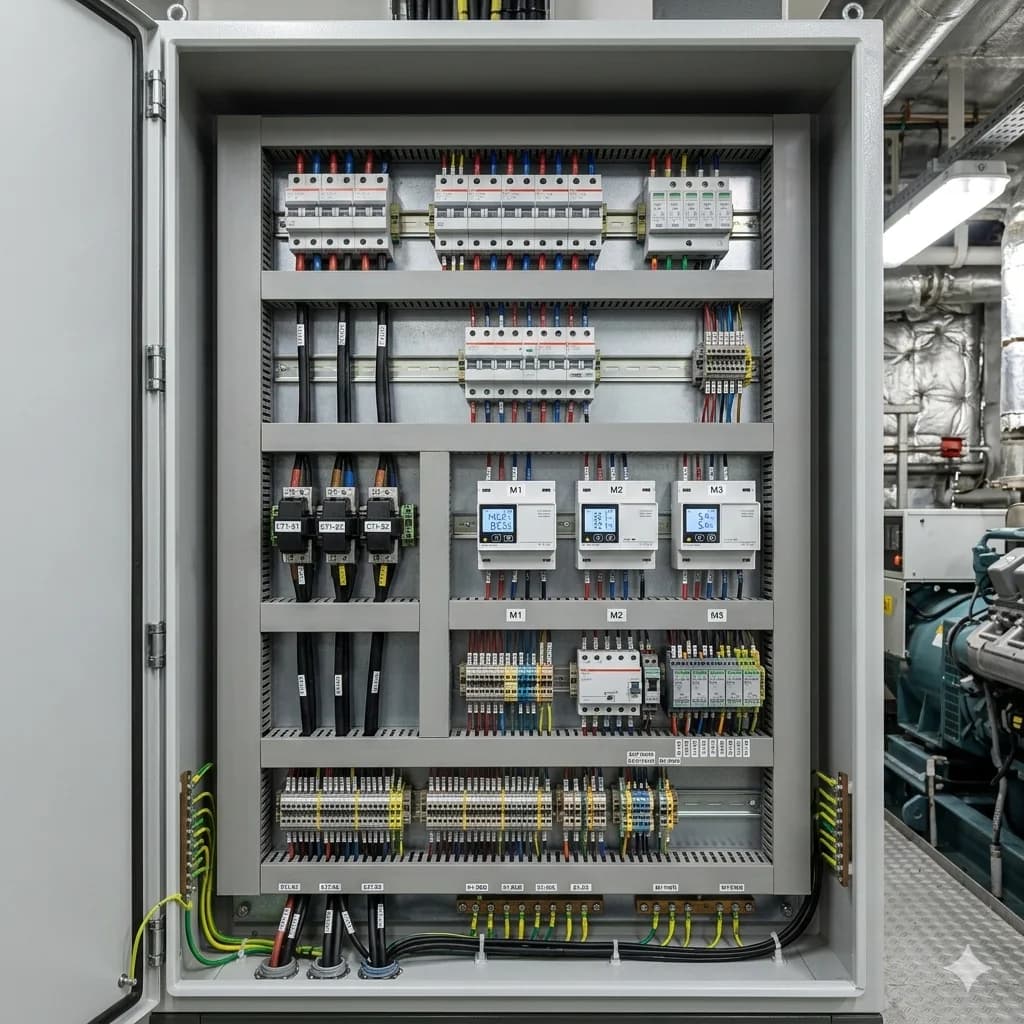
Engineering Methodology
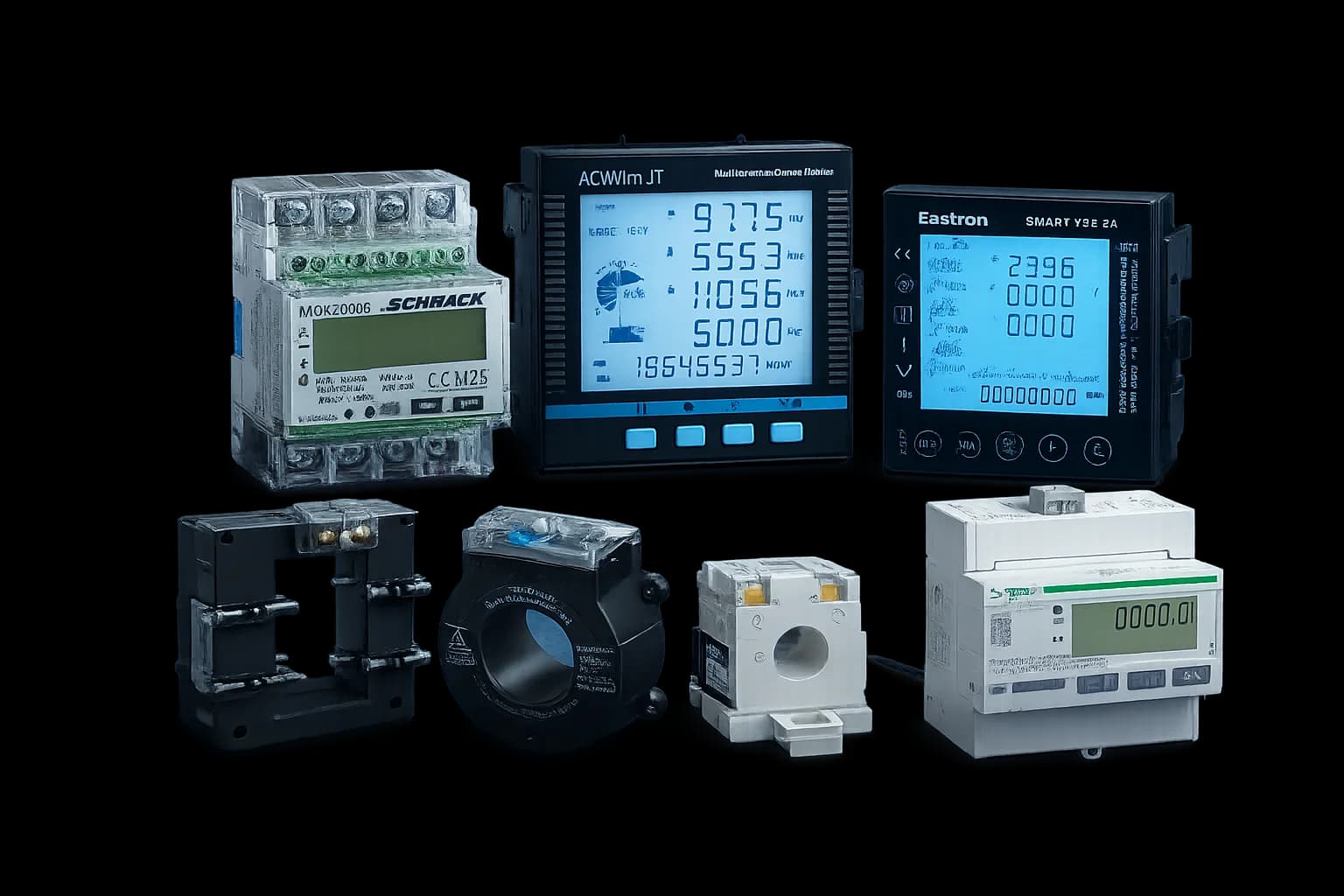
Installation Approach
Systems are installed as standalone cabinets or integrated into existing panels without modifying original functionality or class-approved designs. This non-intrusive, reversible approach ensures that original electrical architecture is not compromised while still providing accurate energy data.
Verification Under Real Conditions
Unlike standard installations that are only verified at delivery, our cargo pump monitoring is verified during live cargo operations. This ensures accuracy under real load conditions, including varying discharge rates, multiple pumps operating simultaneously, and actual duty cycles.
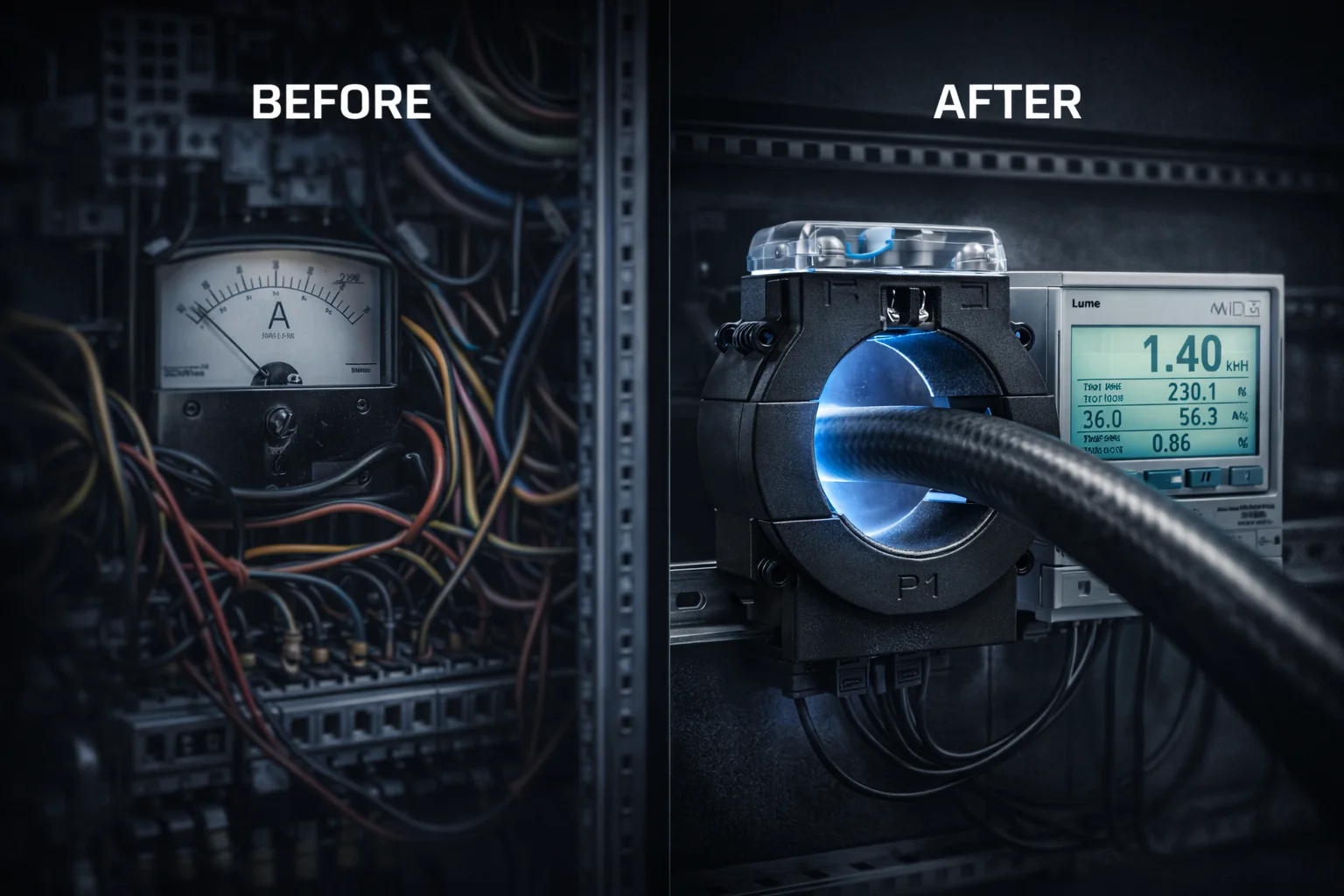
Regulatory & Operational Value
Reliable cargo pump measurement turns energy discussion from assumption into usable engineering data. This supports EEXI/CII performance monitoring, charterer technical questionnaire compliance, fleet efficiency programs, and vetting audits with defensible, transparent energy consumption data.
Why Standard Installations Fail
Standard kWh meter installations often fail in cargo pumping applications because they use incorrect CT selection, ignore load variations and starting currents, choose poor installation points that result in mixed-load measurement, and lack operational verification under real cargo conditions.